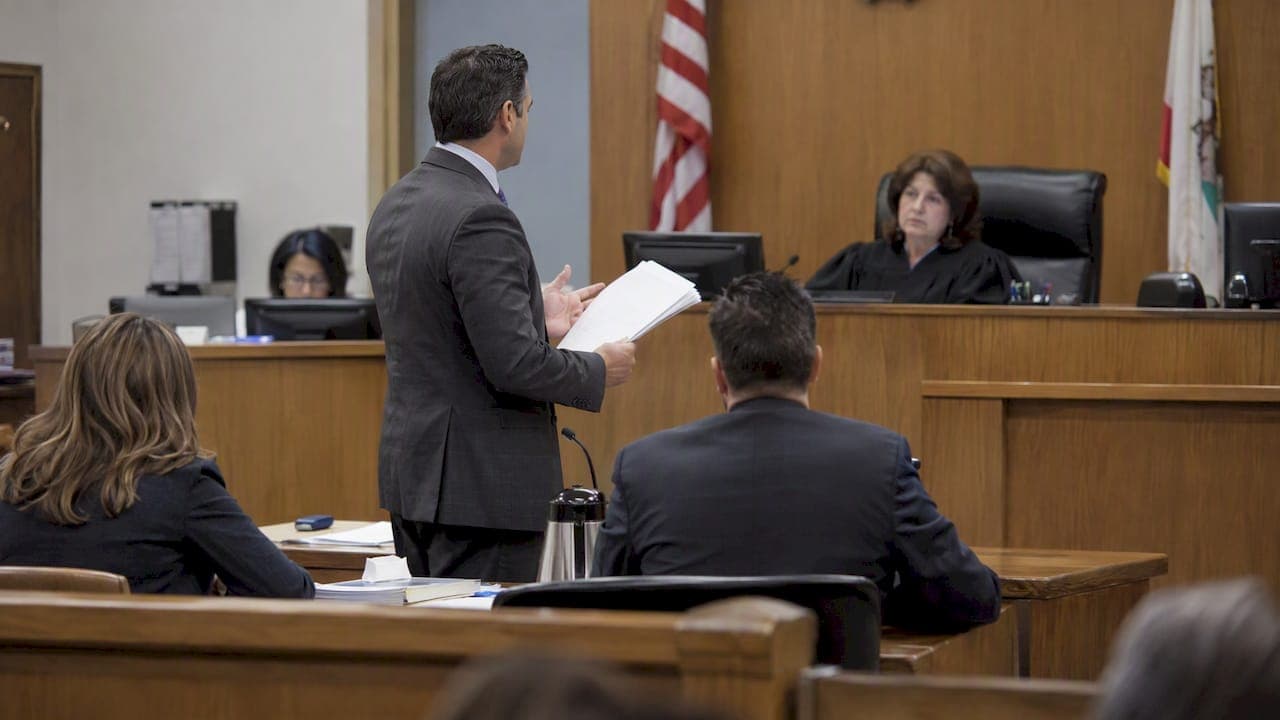
A Romero motion asks a California judge to strike a prior "strike" conviction for sentencing under Penal Code §1385. If the judge grants it, that prior is not used to impose a Three Strikes enhancement. Relief is discretionary, not automatic: it depends on the facts of your case, your history, and whether the court believes striking the prior would endanger public safety. The sections below show how viable your motion may be.
TL;DR:
- Build the motion around dated records, sworn statements, treatment and employment evidence, and a clear timeline showing how your circumstances have changed.
- Judges must give mitigating evidence great weight, but may deny relief when the current offense or criminal history raises public safety concerns.
- Recent or similar strikes, unsupported promises, missing sworn evidence, late filing, and absent requests for findings can weaken a motion before oral argument begins.
- A successful motion affects sentencing only, so the conviction generally stays on your record; after denial, an appeal is reviewed for abuse of discretion.
Table of Contents
- What does a Romero motion do, and what does it leave alone?
- What legal authority lets a judge strike a prior?
- When should you file, and how does the process work?
- What factors do judges weigh when deciding?
- What happens if the motion is granted or denied?
- How do defense attorneys build a persuasive Romero motion?
- Why do judges deny Romero motions?
- A defense lawyer's view of what actually moves judges
- How can we help with a Romero motion?
- FAQ
- Sources
What does a Romero motion do, and what does it leave alone?
A Romero motion is a request, filed under Penal Code §1385, that the court dismiss or "strike" a prior serious or violent felony conviction for sentencing purposes. A Romero motion takes its name from the California Supreme Court decision that confirmed judges can dismiss strike allegations in the furtherance of justice.
Here is what the motion does and does not accomplish:
- If granted, the struck prior cannot be used to enhance your sentence under the Three Strikes framework.
- A Romero motion addresses the prior conviction’s use for sentencing, not expungement.
- Ask your defense attorney when to file a Romero motion in your case.
- Prosecutors often oppose it, so the judge hears two competing narratives about who you are today.
- The motion asks the court to strike a prior for sentencing purposes in your case.
Think of it as a targeted tool. It goes after one thing, the sentencing multiplier a prior strike can create, rather than the conviction itself. If you are still sorting out which of your priors even count, our guide to strike offenses in California walks through what qualifies.
That narrow focus is why the motion can matter so much. A strike can increase sentencing exposure, and striking a prior may affect the sentence the judge considers. To see how the enhancement works in the first place, read our overview of California's Three Strikes law.
What legal authority lets a judge strike a prior?
The foundation is People v. Superior Court (Romero), decided in 1996. The California Supreme Court held that trial courts retain authority under §1385 to strike prior felony conviction allegations in the furtherance of justice. That authority comes with conditions: the court must comply strictly with §1385, and its decision is reviewed for abuse of discretion.
The statute itself is short. Penal Code §1385 lets a judge dismiss an action "in furtherance of justice" and directs the court to state its reasons on the record or in the minutes. That requirement is not a formality. Those stated reasons are what an appellate court reads later.
Penal Code §1385 authorizes dismissal "in furtherance of justice" and requires the court to state its reasons on the record or in the minutes.
The Three Strikes provisions, found in Penal Code §667 and §1170.12, address sentencing enhancements. Section 1385 is the safety valve that sits alongside them. A prosecutor may ask to dismiss a strike, but the court's own §1385 power does not depend on the prosecutor's agreement.
Practitioners describe the question as a holistic one. Courts look at the strike and at the defendant, asking whether you fall outside the "spirit" of Three Strikes. The next sections explain how to answer that. For the statute's reach in your own case, our page on Three Strikes defense under PC §667 is a good place to continue.

When should you file, and how does the process work?
Ask your defense attorney about the appropriate timing and filing requirements for your case.
A typical filing sequence looks like this:
- Draft a written motion setting out the legal basis under §1385 and the facts that justify relief.
- Attach declarations from you and from people who can speak to your conduct and character.
- Gather exhibits showing rehabilitation, treatment, employment, and stability.
- Submit a proposed order, so the judge has a clear path to granting the request.
- At the hearing, answer the prosecutor's objections and ask the court to state its reasons for the record.
- Confirm the ruling and its reasons are entered in the minutes.
At the hearing, expect the prosecutor to emphasize the current offense and your criminal history. An effective oral argument does not repeat the brief. It points the judge to the two or three facts that matter most, such as how long ago the priors occurred and what has changed since.
Pro Tip: Ask your attorney whether to request that the judge state reasons on the record or in the minutes. Section 1385 requires reasons when a court dismisses an action.
What factors do judges weigh when deciding?
Judges do not apply a formula. They apply a framework, and preparing evidence around it is the best way to show you fall outside the spirit of Three Strikes. The main considerations are:
- The current offense: how violent it was, who was harmed, and how culpable you were.
- The priors: how old they are, how many there are, and whether they involved youthful or nonviolent conduct.
- Your character and rehabilitation: employment, treatment, and programs, shown with documents rather than promises.
- Public safety: whether striking the prior would endanger the community, which is the key statutory caveat.
- Proportionality: how the potential sentence compares to what you actually did and to your prospects.
Section 1385 itself instructs courts to give great weight to mitigating evidence unless dismissal would endanger public safety.
The statute directs courts to afford "great weight" to mitigating evidence, so the strength of your documentation can shape the outcome. That cuts both ways: weak or unsworn mitigation gives the judge little to weigh against the prosecutor's account.
Case law shows the pattern. Motions tend to succeed when the priors are remote, the defendant has shown sustained lawful conduct, or the current offense is minor relative to a life sentence. A 2021 appellate decision reported by Criminal Legal News found an abuse of discretion where a Romero motion was denied in an attempted robbery case.
What happens if the motion is granted or denied?
The outcome shapes both your sentence and your options afterward.
- Granted: the struck prior can no longer be used to enhance your sentence, which in many cases removes the path to a Three Strikes life term.
- Denied: the prior remains available as an enhancement, and the sentencing range the judge must apply stays higher.
- Appeal after denial: the decision is reviewed for abuse of discretion. Ask your attorney whether an appeal is appropriate in your case.
- Your record: striking a prior for sentencing is not the same as an expungement. The conviction generally remains in your history.
A Romero motion concerns sentencing treatment of a prior conviction. If you have questions about other ways to address your record, ask your attorney about your options.
How do defense attorneys build a persuasive Romero motion?
A persuasive motion tells one coherent story: whatever happened in the past, you are not the person the Three Strikes law was written for. That story has to be documented, not asserted. Build it in this order:
- Timeline of the priors. Show how remote they are and what your life looked like when they occurred.
- Root causes. If addiction or untreated mental health drove past conduct, show treatment records proving you addressed it.
- Employment records. Pay stubs and employer letters show stability.
- Program certificates. Completion certificates prove follow-through on treatment, classes, or counseling.
- Affidavits. Sworn statements from employers, family, and community members give the judge people to credit.
- Education and housing records. These show a settled life and a plan.
- Expert declarations. Where helpful, a qualified professional can explain a diagnosis or treatment course.
- Proportionality argument. Show how a life or very long sentence would be grossly disproportionate to the current offense and your prospects.
Each exhibit should prove a specific point. A certificate proves effort, an employer letter proves reliability, and a timeline proves distance from the prior conduct. Where a pretrial motion in the same case affects the evidence, coordinate it with the sentencing strategy, as in our guide on filing a PC 1538.5 motion.
Pro Tip: Tailor the motion to the concerns your judge is known to raise, and ask the court to state precise reasons on the record if it grants or denies relief.
Why do judges deny Romero motions?
Knowing the usual denial reasons lets you answer them before the prosecutor raises them:
- The current offense is violent or resembles the prior strikes, raising public-safety concerns.
- The priors are recent, or the record shows an ongoing pattern of serious criminality.
- The mitigation is thin: weak declarations, no records, or promises without proof.
- Procedural defects, such as late filing, missing sworn evidence, or no request for on-the-record findings.
- Judicial philosophy or local practice that favors enhancement in borderline cases.
Most of these are fixable with preparation. A thin file is the denial reason you control, which is why early evidence gathering matters more than polished argument.
A defense lawyer's view of what actually moves judges
Outcomes on these motions vary by judge and by facts, and I will not pretend otherwise. What I see repeatedly in Los Angeles courtrooms is that the motions that succeed are the ones that arrive with paper behind them: dated records, sworn statements, and a clear account of what changed. Frequent courtroom time teaches you what a particular judge responds to, and that knowledge shapes how the motion is framed. If you are facing a possible strike enhancement, start collecting documents now, long before sentencing, so a Romero motion, if it fits, is built on proof.
— Jake
How can we help with a Romero motion?
At Rubin Law, P.C., we provide criminal defense representation, including sentencing advocacy and motion practice. We spend significant time in court, and we prepare each motion with a focus on documentation, local judicial practice, and clear on-the-record reasons. We gather evidence with you, draft the motion, and argue it at sentencing. If a strike is putting years of your life at stake, contact us for a case evaluation and we will map out immediate next steps. Start with our criminal defense team.

This article is general information, not a substitute for advice from a qualified lawyer. Consult a qualified legal professional about your own circumstances before acting on anything here.
FAQ
Why would a judge deny a Romero motion?
Judges most often deny these motions when the current offense is violent, the priors are recent, or the mitigation evidence is thin. Concern for public safety is the central statutory caveat under Penal Code §1385.
What is a Romero motion in California?
It is a request that a judge strike a prior serious or violent felony conviction for sentencing purposes under Penal Code §1385. If granted, the prior cannot be used for a Three Strikes enhancement, though the conviction generally stays on your record.
What is the Romero law in California?
It refers to the 1996 California Supreme Court decision in People v. Superior Court (Romero), which confirmed that trial courts can strike prior conviction allegations in the furtherance of justice. The ruling is the basis for Romero motions.
What is a Serna motion in California?
Our research does not cover Serna motions, so we will not guess at their details. A Serna motion is a separate procedural request from a Romero motion. Ask your defense attorney how it applies to your case.
Sources
- People v. Superior Court (Romero) - 13 Cal. 4th 497, 917 P.2d 628, 53 Cal. Rptr. 2d 789 S045097 - Thu, 06/20/1996 | California Supreme Court Resources
- California Code, PEN 1385.
- [California Court of Appeal: Trial Court Abused Discretion by Denying Romero Motion and Life Sentence for Attempted Robbery Is Cruel and Unusual Under State Constitution | Criminal Legal News](https://www.criminallegalnews.org/news/2021/feb/15/california-court-appeal-trial-court-abused-discretion-denying-romero-motion-and-life-sentence-attempted-robbery-cruel-and-unusual-under-state-constitution/)