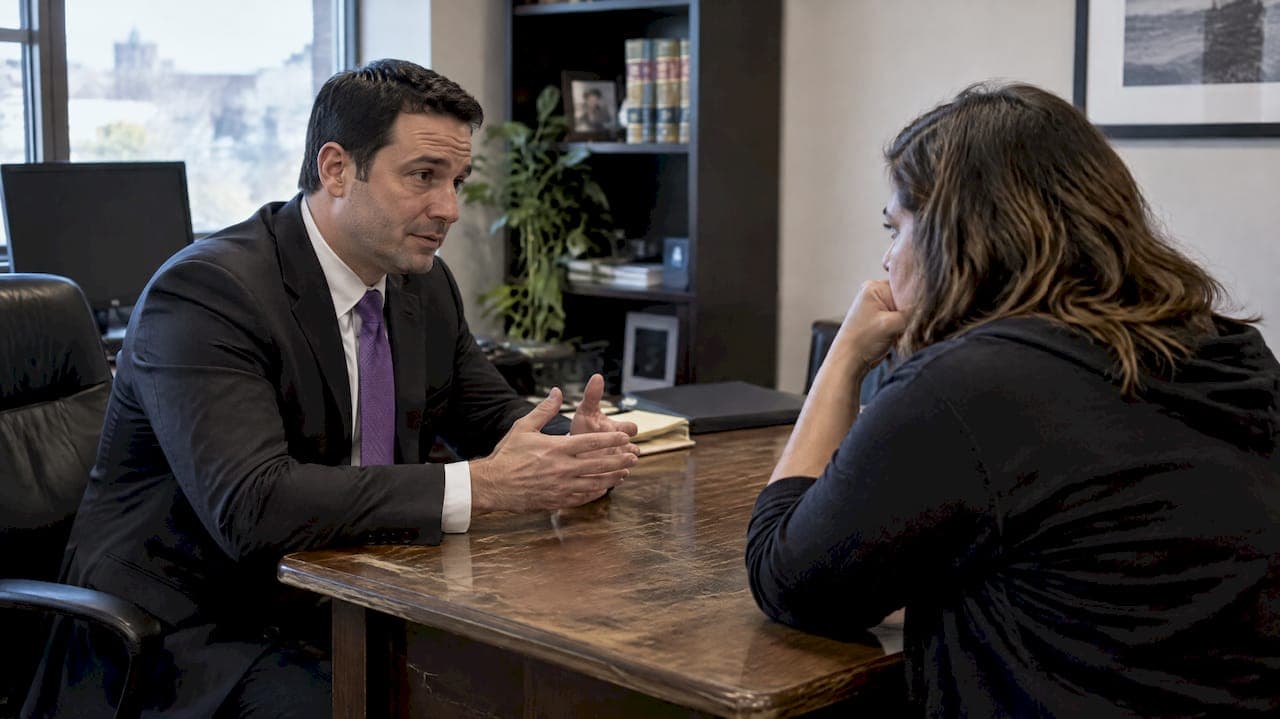
If you're facing a drug sales charge in California, the defenses that matter most are lack of intent or knowledge, an illegal search or seizure, entrapment, and gaps in the chain of custody, and the single best move right now is to stop talking to the police and call a defense attorney. Charges under HS 11351 and HS 11352 carry years of state prison exposure, so preserving evidence and witnesses from the first hours after arrest matters as much as anything that happens later in court.
TL;DR:
- Proving a lack of control, knowledge, or lawful search significantly weakens the prosecution’s case in drug sales charges.
- Challenges to lab results, chain-of-custody issues, or illegal searches often lead to evidence suppression or case dismissal.
- Strategies to reduce charges include suppression motions and pursuing diversion when the evidence of intent to sell is contested.
- Immediate actions after arrest, such as documenting details and preserving evidence, are critical to strengthening your defense.
- The severity of penalties varies depending on the charge, with specific elements and procedural defenses shaping case outcomes more than drug quantities.
Table of Contents
- Which charges you're facing and what penalties apply (HS 11351 vs HS 11352)
- What prosecutors must prove to convict you
- How defense attorneys actually fight these charges
- Pretrial motions that can end your case before trial
- Diversion, plea options, and sentencing realities
- The first 48 hours after arrest: what to do right now
- How Rubin Law, P.C. approaches drug sales defenses
- Recent legal changes affecting drug sales defenses in California
- A straight answer about what to expect
- How we can help with your drug sales case
- FAQ
- Sources
Which charges you're facing and what penalties apply (HS 11351 vs HS 11352)
California splits drug sales offenses into two main statutes, and which one applies changes your exposure significantly. HS 11351 covers possession of a controlled substance for sale, meaning you never had to sell anything, prosecutors only need to show you held drugs with intent to sell them later. HS 11352 covers the actual sale, furnishing, or transportation of a controlled substance for sale, a broader and often more serious charge.
The penalties differ in meaningful ways:
- HS 11351 (possession for sale) is punishable by two, three, or four years in state prison under Penal Code 1170(h).
- HS 11352 (sale or transportation for sale) carries a state prison term that increases if the transported drugs cross between noncontiguous counties, reaching significant additional years of exposure.
- Both charges are felonies that typically fall outside standard diversion eligibility unless the charge gets reduced to simple possession first.
- A sales conviction can trigger immigration consequences, including removal proceedings, for noncitizen defendants regardless of immigration status.
Because sales charges carry this kind of weight, the elements the prosecution has to prove, and the gaps in that proof, become the center of any defense strategy.
What prosecutors must prove to convict you
A sales or possession-for-sale conviction depends on more than finding drugs near you. Prosecutors have to establish each of the following, and a weakness in any one of them can undercut the whole case:
- Possession, actual or constructive. Actual possession means the drugs were on your body. Constructive possession means you had control over the location where drugs were found, even if someone else was also present, which is where shared vehicles and apartments create real disputes.
- Dominion and control. Prosecutors must connect you specifically to the substance, not just to the space it was found in; proximity alone is not control.
- Specific intent to sell. This is almost always proven through circumstantial evidence rather than a confession or direct observation of a sale, since possession-for-sale is a specific intent crime and mere presence of drugs in a shared space does not by itself establish intent.
- Supporting circumstantial evidence. This typically includes drug quantity inconsistent with personal use, packaging materials like baggies or a scale, text messages or call logs suggesting transactions, and unexplained cash.
Each of these elements is a point of attack. A defense built around the difference between possession and intent to sell often focuses on showing that the same facts are equally consistent with personal use.
How defense attorneys actually fight these charges
Most drug sales cases in California turn on one or two defense theories, not a long list of arguments thrown at the wall. Here's what tends to work and why.
Lack of knowledge or control comes up constantly in cases involving shared vehicles, apartments, or vehicles borrowed from someone else. If three people were in a car and drugs were found under a seat, nothing automatically ties the drugs to you specifically, and that gap is often the whole case.
Challenging the intent-to-sell inference means attacking the circumstantial evidence directly. A scale can be for weighing personal-use quantities. Multiple baggies can reflect how a substance was packaged at purchase rather than how the defendant intended to distribute it. Inconsistent or thin packaging evidence weakens the prosecution's inference considerably.
Illegal search and seizure is frequently the strongest defense available, because so many of these cases begin with a traffic stop, a knock-and-talk, or a search that exceeded its legal basis. Officers need a valid reason for the stop, a lawful basis for any search, and consent (when relied upon) that was actually voluntary and not coerced. Warrant deficiencies, including stale information or overly broad language, also open the door to suppression.
Entrapment applies narrowly but matters in sting and undercover operations. If police conduct would have induced a normally law-abiding person to commit a crime they otherwise would not have committed, the defense can apply, though it's a high bar that requires more than an officer simply offering to buy drugs.
Chain of custody and lab testing problems come up often in fentanyl-related cases, where contamination, mislabeling, or gaps in how evidence was handled between seizure and lab analysis can create real doubt about what substance was actually recovered and in what quantity.
- Mismatched evidence logs or unexplained handling gaps can undercut the reliability of lab results.
- Field test kits are notoriously unreliable and are rarely sufficient on their own to establish the identity of a substance.
- Informant-based cases often hinge on the informant's credibility and criminal history, both of which are discoverable.
When the facts suggest any of these issues, counsel should order independent forensic analysis and push for informant disclosure early, before the prosecution's theory hardens.
Pro Tip: Ask your attorney, before any hearing, exactly which element of the charge they think is weakest. If they can't answer specifically, that's a sign the case hasn't been reviewed closely enough yet.
Pretrial motions that can end your case before trial
Procedural litigation often does more to resolve a drug sales case than anything argued in front of a jury. These motions target how the evidence was obtained and whether the prosecution has disclosed what it's legally required to.
- File a motion to suppress under PC 1538.5. This challenges evidence obtained through an illegal stop, search, or seizure. Because many drug sales cases depend entirely on evidence discovered during a stop or search, a successful suppression motion can lead directly to dismissal.
- Build a detailed factual record. A strong 1538.5 argument typically requires the exact timeline of the stop, the precise wording used to request consent, the warrant affidavit if one existed, and any body-cam or surveillance footage, since vague recollections rarely win suppression hearings.
- Pursue discovery aggressively, including Brady and Giglio material. Prosecutors must disclose evidence favorable to the defense and anything bearing on the credibility of officers or informants, including prior misconduct findings or inconsistent statements, which can be decisive in cases that lean heavily on a single witness.
Timing matters. A suppression motion filed and won early can collapse the prosecution's case outright, or it can shift leverage enough that a plea to a lesser charge, rather than a sales count, becomes realistic.
Diversion, plea options, and sentencing realities
PC 1000 diversion generally applies to simple possession, not possession for sale or sales charges, so a sales charge standing alone usually locks diversion off the table. The path in often runs through the defense work covered above: when suppression, weak intent evidence, or chain-of-custody problems convince a prosecutor the sales element can't be proven, a reduction to simple possession can open the door to diversion instead of a prison sentence.
- A charge reduction to simple possession, where supportable by the facts, can make PC 1000 diversion available even when the original charge would not have qualified.
- Prosecutors weigh prior convictions and the quantity involved heavily; both can increase sentencing exposure or take diversion off the table entirely.
- A plea to a lesser charge is often negotiated once the defense has exposed a specific evidentiary weakness rather than offered a general denial.
- Immigration consequences differ sharply between a sales conviction and a simple possession resolution, which is why the exact plea language matters as much as the sentence itself.
The first 48 hours after arrest: what to do right now
What happens in the first two days after an arrest often determines what evidence still exists by the time your attorney gets to work. Act accordingly.
- Say nothing to police beyond identifying information. Clearly invoke your right to remain silent and ask for an attorney; once you do, questioning is supposed to stop.
- Write down everything you remember about the stop, search, or arrest while it's fresh, including officer statements, timing, and who else was present.
- Identify every witness, including passengers, bystanders, or anyone who saw the stop or search happen.
- Preserve phone records and messages rather than deleting anything, even conversations that seem unrelated or embarrassing.
- Photograph the scene, your clothing, and any property connected to the arrest if you're able to before it's lost or altered.
- Have counsel request discovery immediately, including any body-cam, dash-cam, or surveillance footage, which agencies sometimes overwrite on short retention cycles.
Pro Tip: Write down the time of the stop and the time any search began as soon as you can. Minutes matter in suppression hearings, and memory fades fast.
For a deeper walkthrough of what to preserve and what to ask police for, see this guide on preserving evidence after an unlawful search.
How Rubin Law, P.C. approaches drug sales defenses
We start every drug sales case with immediate evidence preservation: securing police reports, identifying surveillance or body-cam footage before it's overwritten, and interviewing witnesses while memories are fresh. From there, we review the case for suppression grounds under PC 1538.5, scrutinize the prosecution's intent-to-sell evidence for inconsistency, and engage investigators when forensic testing or informant credibility is in question.
Frequent courtroom appearances across Los Angeles County inform how we approach a given judge or prosecutor's office, since charging and plea tendencies vary considerably by courthouse. That local familiarity shapes whether we push for an early suppression hearing, negotiate a reduction, or prepare for trial.

Recent legal changes affecting drug sales defenses in California
California's approach to drug enforcement has shifted in ways that affect how sales cases are charged and defended. Fentanyl-related prosecutions have increased scrutiny on lab testing accuracy and chain-of-custody documentation, since contamination and mislabeling carry higher stakes when fentanyl quantities determine enhancement exposure. Defense attorneys increasingly request independent retesting rather than relying solely on the prosecution's lab results.

Pretrial diversion frameworks under PC 1000 and its surrounding provisions continue to be interpreted and applied differently across counties, with some district attorneys' offices more willing than others to agree to a reduction from a sales charge to simple possession as a path into diversion. Readers should also be aware that storage and handling of controlled items intersects with compliance questions in unrelated contexts, and resources like this state-by-state guide on gun and drug storage compliance can be useful background for anyone navigating related safekeeping obligations.
Suppression litigation itself has not changed in its basic structure, but courts have grown more exacting about the factual record defense counsel must build, meaning a thin or generalized suppression motion is less likely to succeed than one supported by a detailed timeline and documentary record.
A straight answer about what to expect
Most people charged with a drug sales offense assume the case is decided by whether drugs were found, when in reality it's usually decided by how they were found and what the evidence can actually prove about intent. I've seen cases built almost entirely on circumstantial inference fall apart once the search itself got scrutinized. The defendants who do best are the ones who get a lawyer involved immediately, before statements get made and before footage gets overwritten, not after the case has already hardened against them.
— Jake
How we can help with your drug sales case
We handle drug sales defense, including intent rebuttal, suppression motions, chain-of-custody challenges, and diversion negotiation when a reduction to simple possession is realistic. Bring any paperwork from your arrest, a timeline of what happened, and contact information for witnesses to your consultation.

- Drug Crimes Defense covering possession for sale and sale/transportation charges under HS 11351 and HS 11352.
- Suppression motion litigation targeting illegal stops, searches, and warrant deficiencies.
- Diversion and plea negotiation aimed at reducing sales charges to simple possession where the facts support it.
Intake is confidential, and we can typically outline next steps during your first call. Visit our criminal defense practice page to get started.
This article is general information, not a substitute for advice from a qualified lawyer. Consult a qualified legal professional about your own circumstances before acting on anything here.
FAQ
What's the worst felony charge you can get?
Felony severity in California is measured by sentence length and collateral consequences rather than a single ranking, but charges like murder, certain federal drug trafficking offenses, and some sex offenses carry the longest possible sentences. A drug sales charge under HS 11352 is serious, carrying up to five years, or up to nine with the inter-county transport enhancement, but it falls below life-sentence offenses in severity.
How do you beat a felony drug charge?
Beating a felony drug sales charge usually comes down to attacking one of the prosecution's required elements: showing you lacked knowledge or control over the substance, challenging the intent-to-sell inference, or winning a motion to suppress evidence obtained through an illegal search. Chain-of-custody problems and unreliable lab testing can also undercut the prosecution's case significantly.
What is the new drug law in California?
California's drug laws continue to evolve, particularly around fentanyl enforcement and lab testing standards, but HS 11351 and HS 11352 remain the core statutes governing possession for sale and sale or transportation. Diversion eligibility under PC 1000 is still generally limited to simple possession rather than sales charges.
What state has the strictest drug laws?
Drug law severity varies significantly by state and by offense type, so there's no single state that's strictest across every category of drug crime. California's sales-related penalties under HS 11351 and HS 11352 are significant, with the HS 11352 transport enhancement raising exposure to up to nine years for inter-county transport.
Can a drug sales charge be reduced to simple possession?
Yes, when the evidence of intent to sell is weak or successfully challenged, prosecutors sometimes agree to reduce a sales charge to simple possession, which can then open the door to PC 1000 diversion. This typically happens after defense counsel has identified specific weaknesses in the prosecution's intent evidence or search procedures.
Sources
- California Health and Safety Code §11351
- San Diego Law Review article on suppression motions in drug cases