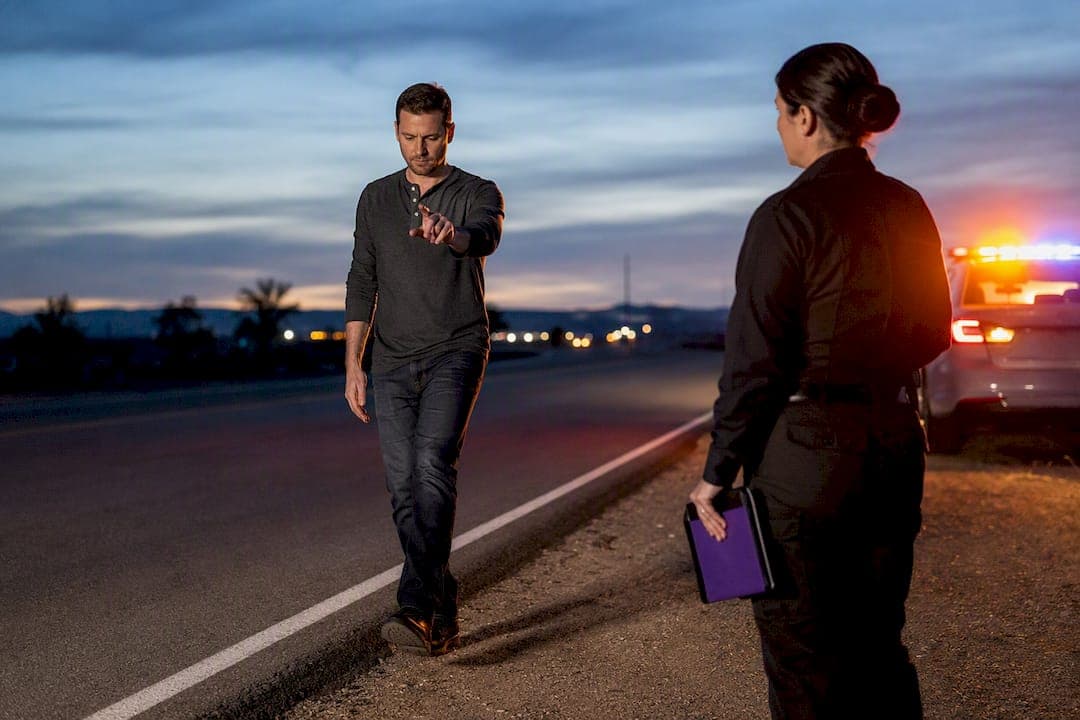
In California, a DRE evaluation is a standardized 12-step examination performed by a trained law enforcement officer to assess drug impairment. The officer follows protocols set under CHP and IACP/NHTSA standards, and the resulting opinion typically triggers a toxicology screen and a formal written report used alongside blood or urine test results in DUI and drug-related prosecutions.
TL;DR:
- California relies on a 12-step DRE evaluation protocol that requires strict adherence to order, as skipping steps can weaken the evidence in court.
- Officers must be recertified every two years with ongoing evaluations, or their certification and ability to testify can be revoked.
- The protocol's subjective nature, including assessments of pupil size and muscle tone, can lead to inconsistent opinions that are vulnerable to defense challenges.
- Toxicology results are the only definitive proof; DRE opinions are considered preliminary and can be contested if not supported by lab tests.
- Defense attorneys focus on documentation, certification status, and matching toxicology to the officer’s predicted drug category to weaken DUI or drug impairment cases.
Table of Contents
- What Is a DRE Officer Evaluation in California?
- The Standardized 12-Step DRE Evaluation Process
- California Training and Certification Requirements
- Recertification and What It Requires
- Where the DRE Method Holds Up and Where It Doesn't
- How Defense Attorneys Approach a DRE Report
- When DRE Evidence Actually Decides a Case
- How Rubin Law, P.C. Handles DRE-Related Charges
- Where to Verify DRE Program Rules Directly
- Sources
- FAQ
What Is a DRE Officer Evaluation in California?
A Drug Recognition Expert, or DRE, is a police or CHP officer trained to identify signs of drug impairment that standard sobriety tests miss. Not every officer can perform one. A candidate needs agency sponsorship, prior certification in Standardized Field Sobriety Testing (SFST) and Advanced Roadside Impaired Driving Enforcement (ARIDE), and formal endorsement before entering the program.
The California Highway Patrol has coordinated the statewide Drug Evaluation and Classification Program since 1991, scheduling classes and tracking who holds active certification. IACP, backed by NHTSA, sets the national framework CHP operates within.
DRE evaluations show up in several contexts:
- Roadside DUI stops where breath testing shows no alcohol but impairment signs persist
- Probation or parole checks involving suspected drug use
- Post-collision investigations where drug influence is a factor
- Workplace or custody-related incidents referred to law enforcement
Officers document findings on CHP 202DRE forms and log evaluations through DRE Manager software, feeding into the National DRE Tracking System, the federal database where every certified DRE nationwide submits results and toxicology outcomes.
The Standardized 12-Step DRE Evaluation Process
The protocol runs in a fixed sequence. Skipping steps or performing them out of order gives defense attorneys an opening, which is exactly why the order matters.
- Breath alcohol test — rules out alcohol as the sole cause of impairment.
- Interview with the arresting officer — establishes driving pattern and initial observations.
- Preliminary examination and first pulse check — screens for medical emergencies before proceeding.
- Eye examination — checks for nystagmus, tracking ability, and pupil response to light.
- Divided attention tests — includes the walk-and-turn, one-leg stand, and Romberg balance test.
- Vital signs and second pulse check — blood pressure, temperature, and pulse.
- Dark room examinations — measures pupil size under varying light conditions.
- Examination of muscle tone — flaccid or rigid muscles point toward specific drug categories.
- Check for injection sites and third pulse check — looks for physical evidence of drug use.
- Subject's statements and other observations — often includes admissions made during the exam.
- Analysis and opinion — the officer weighs all findings and assigns a drug category (or categories).
- Toxicological examination — a blood or urine sample confirms or challenges the officer's opinion.
None of this replaces a lab test. The 12 steps produce an opinion, not a chemical result, which is why toxicology remains the confirming piece of evidence in nearly every case.
Pro Tip: Ask specifically for the officer's step-by-step notes, not just the final summary page. Prosecutors often hand over a clean report; the raw notes show whether every step was actually performed in order.

California Training and Certification Requirements
Becoming a certified DRE in California starts well before the classroom. Officers need SFST and ARIDE certification, agency endorsement, and typically a baseline of patrol experience before their department sends them to training.
From there, CHP's DRE training path runs in two phases:
- A classroom course commonly covering drug categories, physiology, and evaluation technique over multiple days
- Field certification consisting of supervised evaluations on actual subjects lasting multiple shifts
- A recommendation for IACP certification once both phases are complete and documented
CHP has run the statewide Drug Evaluation and Classification Program since 1991 and remains the sole scheduler for California DRE and DRE-instructor classes. Agencies interested in hosting a class contact CHP's Impaired Driving Section directly rather than a regional office. Every completed evaluation, whether during training or after certification, gets logged for audit purposes, which is part of how the program maintains its national credibility.
Recertification and What It Requires
DRE certification in California is not permanent, and letting it lapse has real consequences for an officer's court testimony.
- Officers complete a biennial classroom recertification training covering new drug trends, legislative changes, and case law updates for proficiency maintenance
- A minimum number of documented evaluations must occur during the recertification period
- At least one evaluation must be instructor-led during recertification training
- Officers update the National DRE Tracking System and submit their CV to CHP's Impaired Driving Section
- Failure to meet these thresholds can result in decertification, removing the officer's ability to testify as a DRE
Prosecutors frequently cite the 8-hour cycle as proof an officer stays current on emerging drugs. Defense attorneys read the same requirement differently: it also creates a paper trail showing exactly when an officer's training lapsed or fell short.
Where the DRE Method Holds Up and Where It Doesn't
The protocol has real strengths. It's standardized nationwide, backed by IACP and NHTSA, and requires documented ongoing training rather than a one-time certification.
It also has real gaps. The 12 steps rely heavily on one officer's subjective read of pupil size, muscle tone, and behavior. Certain medical conditions, including diabetes, neurological disorders, and even fatigue, can mimic drug-impairment signs. Two DREs examining the same subject don't always reach the same category opinion.
That tension shows up constantly in court. Defense strategies built around DRE evidence typically attack:
- Whether the officer's training and recertification records are current and complete
- Whether every one of the 12 steps was performed correctly and in sequence
- Whether toxicology results actually match the officer's predicted drug category
- Whether a medical condition offers an alternative explanation for the observed signs
Statistic Callout: California runs one of the largest DRE programs in the country, which the CHP's own training pages reflect in the volume of classes scheduled statewide each year. More certified DREs on the road means more roadside stops where a DRE opinion becomes part of the case file, and more opportunities for that opinion to get tested in court.
How Defense Attorneys Approach a DRE Report
The first move after any DRE evaluation is preservation, not argument. Reports get lost, body-cam footage gets overwritten, and toxicology chain-of-custody paperwork gets misplaced if nobody asks for it fast.
- Request the full CHP 202DRE report, not a summary
- Obtain the arresting officer's separate notes and any body-camera footage
- Secure toxicology chain-of-custody documentation before it's rotated out of storage
- Pull the officer's certification and recertification history
Rubin Law builds cases around exactly these gaps. Constitutional challenges to the stop itself, cross-examination that exposes inconsistent step-by-step documentation, and direct comparison between the DRE's predicted drug category and actual lab results all come from the same discovery process.
Pro Tip: Bring every document you have to a consultation, even the ones that seem irrelevant. A missed medication list or an old medical record can sometimes explain away what an officer logged as a drug-impairment sign.
When DRE Evidence Actually Decides a Case
A DRE report carries real weight when toxicology backs it up and the 12 steps were documented cleanly. It carries far less weight alone, especially when the predicted drug category doesn't match the lab result or a medical condition offers a plausible alternative explanation. Toxicology remains the confirming test, not the officer's opinion. If you're facing charges tied to a DRE evaluation, contact an attorney early and push to preserve the paperwork before any of it disappears.
— Jake
How Rubin Law, P.C. Handles DRE-Related Charges
If a DRE evaluation is part of your case, the report's not the final word. It's one piece of evidence, and pieces of evidence can be challenged. Rubin Law, P.C. handles DUI and drug-related charges across Los Angeles County, with the courtroom experience to know exactly which parts of a DRE report tend to fall apart under cross-examination.
Bring what you have to a consultation: the DRE report if you've obtained it, arrest and booking paperwork, any body-camera footage your attorney can request, and a list of current medications or medical conditions. Rubin Law reviews the sequence of the 12-step protocol, checks the officer's certification status, and compares the predicted drug category against actual toxicology results before deciding how to proceed. The firm also handles related drug possession charges that frequently accompany a DRE stop. If you're facing a DUI or drug charge tied to a DRE evaluation, schedule a consultation to go over your DUI defense options before your next court date.
Where to Verify DRE Program Rules Directly
For program rules straight from the source, check CHP's DRE training schedule for class dates and prerequisites, CHP's recertification course page for biennial requirements, IACP's DRE program page for national standards, and the National DRE Tracking System for how evaluations get logged federally.
This article is general information, not a substitute for advice from a qualified lawyer. Consult a qualified legal professional about your own circumstances before acting on anything here.
Sources
- Drug Recognition Evaluator - Training Selection (CHP)
- Drug Recognition Experts (DREs) (IACP)
- DRE Data — NHTSA
FAQ
What Is a DRE Evaluation?
A DRE evaluation is a standardized 12-step examination a trained officer performs to determine whether a person is impaired by drugs and, if so, which drug category is likely involved.
What Are the Steps in the 12-Step DRE Evaluation Process?
The process runs from a breath alcohol test and officer interview through eye exams, divided attention tests, vital signs checks, and dark room pupil examinations, ending with the officer's category opinion and a confirming toxicology test.
What Do Drug Recognition Experts Look For?
DREs look for nystagmus and pupil response, muscle tone, pulse and blood pressure changes, injection sites, and performance on balance and coordination tasks tied to specific drug categories.
What Is a DRE Person?
A DRE, or Drug Recognition Expert, is a law enforcement officer certified under IACP and NHTSA standards to evaluate suspected drug impairment using the standardized 12-step protocol, with certification and recertification coordinated by CHP in California.
Can a DRE Evaluation Be Challenged in Court?
Yes. Defense attorneys commonly challenge a DRE opinion by examining the officer's training and recertification records, checking whether every step was performed correctly, and comparing the predicted drug category against actual toxicology results.