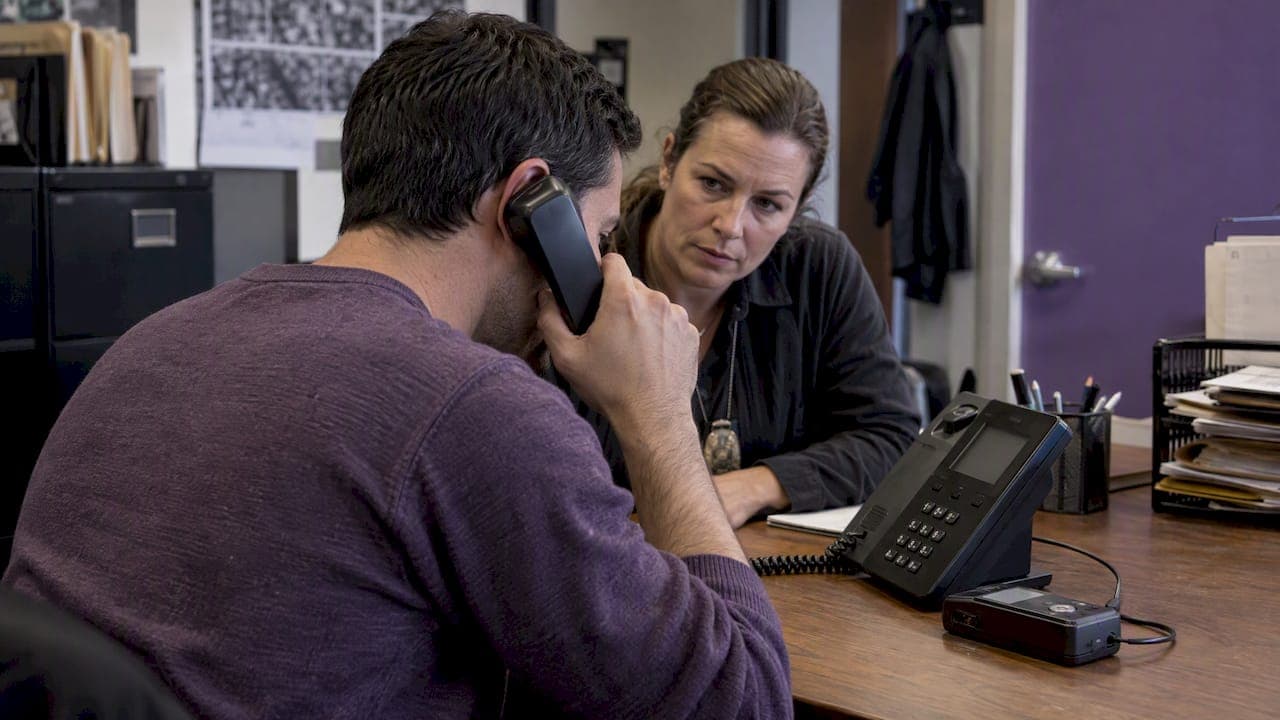
A pretext call is a recorded phone conversation an investigator arranges, often through a cooperating witness, to get a suspect talking before charges are filed. California law lets specified law enforcement officers and agents record calls under Penal Code §633 even without your consent. If you get one of these calls, hang up, write nothing down for the caller, verify who actually contacted you, and talk to a criminal defense attorney before you say anything substantive.
TL;DR:
- Section 632 generally requires everyone’s consent, but §633 permits specified officers and agents to record calls they could lawfully overhear; §633.5 covers limited serious crimes.
- A recording made without consent is not automatically excluded: courts assess the recorder’s authority, the statutory basis, authentication, hearsay, and how investigators obtained it.
- After the call, record its time, number, and statements, preserve messages, verify the agency through an independently found number, and consult defense counsel before responding.
- Caller ID can be spoofed, and AI voices can sound convincing; demands for payment or threats of arrest unless you pay signal a scam.
Table of Contents
- What a pretext call is and how investigators use it in sex crime cases
- California statutes that govern recording and pretext calls
- How courts treat pretext recordings and admissibility
- How to spot an impersonation or scam pretending to be an investigator
- Practical steps to take if you receive a pretext call or suspect investigative contact
- How our defense team evaluates pretext calls and builds a response
- Why we tell clients to call counsel before answering a single question
- Get help now if you received a pretext call in Los Angeles
- FAQ
- Sources
What a pretext call is and how investigators use it in sex crime cases
A pretext call usually works like this: a detective sits with a cooperating witness, often the person who made the initial report, and coaches them through a scripted conversation with the suspect. The call is recorded. The goal is not small talk. Investigators want an admission, a detail that corroborates the complainant's timeline, or a reaction that confirms a fact already in the file.
In sex crime investigations, these calls are common because physical evidence is often limited and the case turns on credibility. A single sentence, an apology, an admission of being somewhere, can become the centerpiece of a prosecution.
A few mechanics show up in nearly every pretext call:
- The cooperating witness follows a script prepared with a detective, sometimes reading from notes during the call.
- The conversation is recorded from the investigator's side, frequently with the cooperating witness's phone or recording equipment supplied by the department.
- Investigators listen for specific phrases: apologies, explanations, or references to dates and locations.
This is different from a scam. A scam caller wants you to pay money or hand over account numbers immediately. An investigative pretext call wants you talking, and the person on the other end may be someone you know.
California statutes that govern recording and pretext calls
California starts from a strict baseline: Penal Code §632 prohibits recording a confidential communication without the consent of everyone on the call. That is the state's two-party consent rule, and it applies broadly to phone calls between private parties.
Law enforcement gets a carve-out. Penal Code §633 allows specified officers and their agents, which can include a cooperating witness acting under police direction, to record a call they could lawfully overhear. This is the statute that makes most investigative pretext calls legal in California, even though the suspect never consented.
A narrower exception sits in Penal Code §633.5, which lets a private party record a call without the other person's consent specifically to gather evidence of certain serious crimes, including extortion, kidnapping, bribery, domestic violence, human trafficking, and violations of §653m. Recordings made under this exception are admissible for prosecuting those offenses.
Separately, Penal Code §653m makes it a misdemeanor to use a phone or electronic device to contact someone with intent to annoy, through obscene language, threats of injury, or repeated unwanted contact. This statute matters on both sides of a pretext call: it can apply to a harasser, but it can also become relevant if an investigation blurs into repeated, unwelcome contact outside a legitimate law enforcement purpose. Our team at Rubin Law has a dedicated page on Penal Code §653m that walks through how these harassment charges get built and defended.
The California Attorney General's office has publicly warned residents not to trust caller ID and to verify any unexpected call through official channels, because scammers frequently impersonate government agencies. That advice applies just as much to a call that claims to be from a detective as it does to a call claiming to be from the IRS.
- §632 sets the default rule: no recording without everyone's consent.
- §633 lets law enforcement and their agents record under specified conditions.
- §633.5 lets a private party record to document a short list of serious crimes.
- §653m criminalizes repeated or threatening contact meant to annoy.
How courts treat pretext recordings and admissibility
Even when a recording technically violates California's consent rules, it does not automatically get thrown out of court. California's Right to Truth-in-Evidence, added to the state constitution by Proposition 8, limits judges' ability to exclude relevant evidence in criminal trials, even evidence obtained in ways that might otherwise trigger a statutory suppression remedy.
Section 632(d)'s exclusionary remedy has been affected by the constitutional changes from Proposition 8, and subsequent appellate decisions have examined how that interacts with evidence gathered through recorded calls.
This reasoning runs through People v. Guzman, a California Supreme Court case that illustrates how courts weigh privacy statutes against the constitutional push toward admitting relevant evidence. The practical result: a recording is not automatically excluded just because it was made without full consent. Courts still look at how it was obtained, who made it, and whether other evidence rules, like hearsay or authentication requirements, apply.
This is exactly where defense strategy lives. Admissibility is not a single yes-or-no question. It depends on whether the person recording qualifies as a law enforcement agent under §633, whether the call falls within the §633.5 exception, and whether the recording's content holds up independently of how it was captured.

How to spot an impersonation or scam pretending to be an investigator
Scammers increasingly impersonate detectives, prosecutors, or federal agents, and caller ID can be spoofed to show a real-looking department number. The Attorney General's office has warned that AI-generated voice tools make these impersonations harder to catch by ear alone.
- Treat any demand for immediate payment, gift cards, or wire transfers as a scam. No legitimate investigator asks for money over the phone.
- Ignore threats of immediate arrest unless you hang up and pay. Real law enforcement contact involves formal processes, not countdown pressure.
- Never call back a number the caller gave you. Look up the agency's number independently and call that one instead.
Pro Tip: Search the agency's name plus ".gov" to find its real contact page, and compare it against anything printed on a letter or voicemail you received.
Practical steps to take if you receive a pretext call or suspect investigative contact
What you do in the first few minutes matters more than almost anything else in the conversation itself.
- Stop talking. You are not required to explain, deny, or clarify anything on the spot.
- Write down the time, the caller's number, and anything said, as soon as you hang up.
- Save any voicemail or text message exactly as received. Do not delete it.
- Look up the agency independently and call that number to confirm whether an investigation exists.
- Contact a criminal defense attorney before responding to any follow-up contact.
A few rights are worth repeating plainly:
- You have the right to remain silent, and that right does not disappear because the caller sounds friendly or familiar.
- You have the right to have an attorney present before answering substantive questions from law enforcement.
- Bringing your notes, the preserved voicemail, and a timeline of the contact to your first consultation lets counsel move quickly.
If you are unsure whether a search or interaction crossed a line, our guide on phone search exceptions in California covers what investigators can and cannot do with your device.
How our defense team evaluates pretext calls and builds a response
When a client comes to us after a pretext call, we start by preserving everything: call logs, timestamps, voicemails, and any text exchanges tied to the contact. From there, we review the chain of custody on the recording and analyze whether the person who made the call actually qualifies as a law enforcement agent under §633, or whether the contact exceeded what the statute allows.
- We map the statutory basis the state is relying on before deciding whether a motion to suppress makes sense.
- We check whether the recording's content is consistent with other evidence in the file or stands alone.
Pro Tip: Bring every piece of written or recorded contact to your first meeting, even a text that seems unrelated. Small details often change the statutory analysis.
Why we tell clients to call counsel before answering a single question
The clients who come to us early, before answering a pretext call's follow-up questions, almost always have more options than the ones who try to explain their way out first. A short pause to call an attorney costs you nothing. Answering the wrong question on a recorded line can cost you the whole case.
We built our practice around stabilizing that first moment: confirming your rights, reviewing what was said, and making sure nothing else gets said without a plan behind it.
— Jake
Get help now if you received a pretext call in Los Angeles
If an investigator or a cooperating witness has already contacted you, waiting rarely helps. We handle sex crimes defense, constitutional challenges to how evidence was gathered, and immediate representation for people who are under investigation but not yet charged.

We offer direct attorney access and frequent courtroom experience, which means we can move on a pretext call investigation the same day you call us. Visit our sex crimes defense page or our criminal defense services to reach our office for an urgent consultation.
This article is general information, not a substitute for advice from a qualified lawyer. Consult a qualified legal professional about your own circumstances before acting on anything here.
FAQ
What is the offense defined by California Penal Code § 653m?
Penal Code §653m makes it a misdemeanor to use a phone or electronic device to contact someone with intent to annoy, through obscene language, threats of injury, or repeated unwanted calls. It excludes good-faith business and professional communications.
Can the police look at your text messages?
Police generally need a warrant to access the content of your text messages, though exceptions exist depending on the circumstances. Our checklist on phone search exceptions in California breaks down the situations where officers can access a device without one.
What are the changes to the "touch law" in California in 2026?
There is no statute commonly known as the "touch law" tied to pretext calls or recording consent in California's current Penal Code framework. If you are asking about a specific statute by another name, check the exact code section with a licensed attorney rather than relying on an informal label.
Sources
- California Code, PEN §633
- People v. Guzman (California Supreme Court)
- It’s a Grand Slam: Attorney General Bonta urges Californians to beware of scams