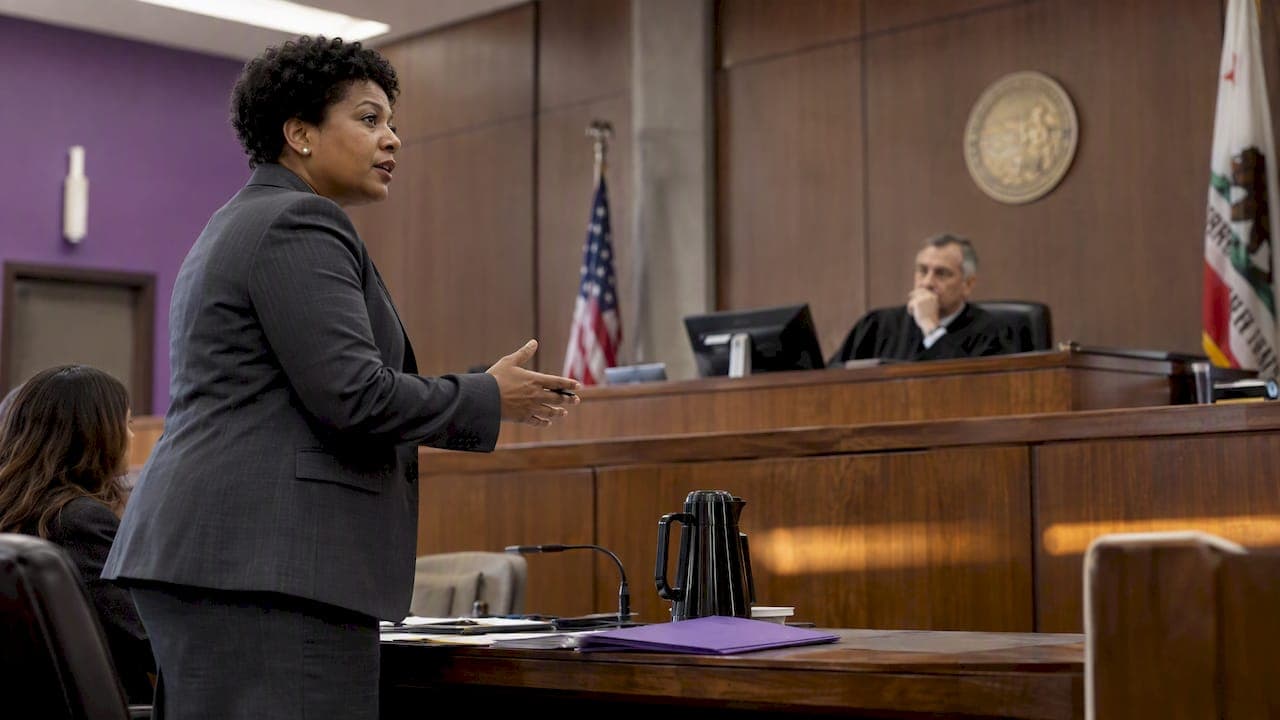
A Serna motion is a pretrial request asking a California court to dismiss criminal charges because the prosecution moved too slowly and violated your constitutional right to a speedy trial. It takes its name from Serna v. Superior Court, a 1985 California Supreme Court decision. It is not a magic button. Whether it works depends on dates, on what your lawyer said in court, and on what the delay cost you.
This guide explains what the motion is, how it differs from the Penal Code 1382 deadlines, what a judge weighs, and where these motions are lost. If you have a case pending in Los Angeles County, read the waiver section closely, because that is where most of these arguments are decided.
TL;DR
- A Serna motion seeks dismissal for violating the Sixth Amendment speedy-trial right, first recognized for misdemeanors in Serna v. Superior Court (Cal. 1985).
- For misdemeanors, the right attaches when the complaint is filed or you are arrested, whichever comes first.
- Penal Code 1382 sets separate statutory clocks: 60 days after arraignment for felonies, 30 days (in custody) or 45 days (out of custody) for misdemeanors.
- Time waivers and defense-requested continuances can defeat the motion, so the court record matters more than the calendar alone.
- Judges balance the length of delay, the reason, whether you asserted the right, and prejudice. Raise it early and in writing.
Table of Contents
- What a Serna motion actually is
- Constitutional right versus the Penal Code 1382 clock
- The four factors a judge weighs
- The waiver trap: where most motions are lost
- Pre-filing delay and the Doggett problem
- Other clocks that can end a case
- Timing: when can a Serna motion be filed?
- Our perspective on Serna motions
- When a Serna motion is worth raising
- How this plays out across case types
- Talking to a lawyer about delay in your case
- Frequently asked questions
- Sources
What a Serna motion actually is
People use "Serna motion" as shorthand for any motion to dismiss for lack of a speedy trial or speedy prosecution. Strictly, it invokes the constitutional framework. The California Supreme Court in Serna framed the question as when the Sixth Amendment right attaches in a misdemeanor case, and concluded that it is triggered by the filing of the complaint, or by an earlier arrest.
That timing point matters. Many people assume the clock starts at their first court date. For a misdemeanor, the constitutional analysis looks back to the complaint or the arrest. Defense counsel builds the record around those dates, not around when you first appeared in front of a judge.
The case also gave the motion its structure. Serna ties California's analysis to the federal Barker v. Wingo balancing approach: the court weighs the prejudicial effect of the delay against the prosecution's justification for it. The delay is not judged in a vacuum.
Constitutional right versus the Penal Code 1382 clock
There are two layers, and a well-built motion raises both.
The constitutional layer comes from the Sixth Amendment and the California Constitution. It is flexible and fact-driven. There is no fixed number of days.
The statutory layer is Penal Code section 1382, which sets fixed deadlines and tells the court to dismiss unless good cause is shown. Here are the main ones:
| Situation | Statutory deadline under PC 1382 |
|---|---|
| Held to answer, no information filed | 15 days to file the information |
| Felony | Trial within 60 days of arraignment on the indictment or information |
| Misdemeanor or infraction, in custody | Trial within 30 days of arraignment or plea |
| Misdemeanor or infraction, out of custody | Trial within 45 days of arraignment or plea |
The misdemeanor figures come from PC 1382(a)(3). The statute adds variations for retrials after a mistrial, reinstated cases and appeals, so the table is a starting point, not a calculator.
The practical takeaway: a missed statutory deadline is the cleaner argument when it applies. The constitutional Serna argument is what you reach for when the delay is serious but the statutory dates were waived or do not fit, for example when the delay came before arraignment.

For a wider view of how a case moves from arrest to trial, see our breakdown of the California criminal case timeline.
The four factors a judge weighs
The test borrows from Barker v. Wingo. Courts look at:
- Length of the delay. A delay that is long enough is presumptively prejudicial, which pushes the prosecution to explain itself.
- Reason for the delay. Deliberate or negligent prosecution delay counts against the People. A genuinely needed continuance, a missing lab report that could not be obtained sooner, or a defense request counts for them.
- Your assertion of the right. Did you or your lawyer object to delay and demand a trial, or sit silently for a year?
- Prejudice. Lost witnesses, faded memories, lost video, anxiety, time spent in custody, a job lost while the case hung over you.
In Serna itself, the trial court denied the motion because the showing of prejudice lacked specifics, such as the names of witnesses. That is a useful warning. Vague statements that "memories faded" do not carry a motion. Declarations should name the witness, say what they would have testified to, and explain why that evidence is no longer available.
What strong prejudice evidence looks like
- A declaration identifying a specific witness who has died, moved away or cannot be found, and what that witness would have said.
- Business or surveillance video that was overwritten on its normal schedule during the delay.
- Proof that you were in custody on this case, or under restrictive bail or release conditions, for the period.
- Records of concrete harm: a lost job offer, a missed immigration or licensing deadline, a medical letter documenting anxiety.
- Proof that you were available and easy to find, so the delay is not explained by your absence.
The waiver trap: where most motions are lost
The biggest practical issue is whether the defense waived time or agreed to a later date. PC 1382 states that a general waiver of the trial deadline allows the court to set or continue the trial date without the dismissal sanction, and that a defendant can withdraw the waiver in open court, at which point the statutory period runs from the withdrawal.
This is why we treat the minute orders and transcripts as central evidence. Questions to answer before anyone files anything:
- Did you personally waive time at arraignment, or did your lawyer do it for a continuance you did not want?
- Was the waiver "general" or limited to a specific date?
- Who asked for each continuance, and what reason was stated on the record?
- Did anyone object to later dates, and is that objection in the minutes?
- Was there ever a withdrawal of the waiver, and when?
A client who sat through eight court dates with a time waiver on file has a hard statutory argument. A client whose case was not filed for two years after the arrest, and who never waived anything, has a much stronger one.
Pre-filing delay and the Doggett problem
Serna deals with misdemeanor accusation timing. A different situation arises when police investigate for years and the prosecutor files long after the alleged event. Pre-accusation delay is analyzed under due process, and felony defendants in some cases also look to federal cases such as Doggett v. United States, where an 8.5-year gap between indictment and arrest violated the speedy-trial right because it satisfied the Barker criteria and the government was to blame.
Those facts are extreme. Most Los Angeles County delays are a matter of months, so the argument is rarely about a single dramatic gap. It is about the cumulative picture: when the offense occurred, when the arrest or complaint happened, why the file sat, and what was lost in between.
Other clocks that can end a case
The Serna motion is not the only delay-based tool.
- Penal Code 1381. If you are already serving a prison or jail sentence and have another case pending, you can serve written notice on the district attorney. Under PC 1381, the case must be brought to trial or sentencing within 90 days of that notice, subject to continuance and consent rules, or the court may dismiss.
- Preliminary hearing timing. Felony cases typically run through arrest, arraignment, preliminary hearing and trial, and each step has its own timing rules.
- Other pretrial motions. Delay is one ground among many. Search and seizure suppression, Romero motions and others live alongside it. Our overview of pre-trial motions in California shows how these fit together.
Timing: when can a Serna motion be filed?
The constitutional right attaches at the complaint or arrest, so a motion can be raised once a delay has become serious enough to prejudice you. It is not something you wait for the end to raise. Because the third factor asks whether you asserted the right, the better practice is to object to delay on the record early, then file the written motion when the record supports it.
One procedural point to know: if you lose the motion and then plead no contest, your appeal options can be limited. The court in People v. Aguilar addressed whether denial of a speedy trial motion in municipal court is appealable after a nolo contendere plea. Because the answer depends on the procedural posture, your lawyer should decide before any plea whether to seek writ review instead. Courts discussing Serna have noted that an appeal may not be an adequate remedy for a speedy trial violation.

Our perspective on Serna motions
We appear in Los Angeles County courtrooms constantly, and that changes how we look at delay arguments. A Serna motion is rarely won by the law alone. It is won by the record: whether a prosecutor's reason for continuing a case reads as legitimate in the minutes, whether a waiver was knowing, and whether a client can show concrete loss.
Three things we tell people early on:
- Do not assume delay helps you. Sometimes time works for the defense, since witnesses fade on both sides. But a case that drifts with your signature on waivers is a case where the delay argument has already been spent. We decide deliberately whether to waive time, not by default.
- Build the file from day one. Dates of arrest, filing, arraignment and every continuance, plus who requested each. We would rather have this timeline on day thirty than rebuild it in month fourteen.
- Pair the motion with the rest of the strategy. Delay arguments sit next to constitutional search and seizure challenges and negotiation for diversion or reduced charges. A denied Serna motion can still show a judge why a case deserves a better offer.
No motion is guaranteed to succeed, and we do not promise results. What we can promise is that the dates and the record will be read carefully.
— Jake
When a Serna motion is worth raising
The motion tends to be a serious option when several of these are true:
- A long gap exists between the arrest or complaint and any real prosecution activity.
- You never signed or agreed to a general time waiver.
- The prosecution's stated reasons for delay are thin, repeated or absent.
- You can name specific evidence or witnesses lost during the delay.
- You, or your lawyer, objected to the delay in writing or on the record.
It is a weak option when you waived time repeatedly, asked for most continuances yourself, or can only describe general stress. Even then, a judge may treat the delay as a factor in plea discussions, so it is worth a conversation with counsel.
How this plays out across case types
The motion shows up in many kinds of cases. DUI matters are a common example because misdemeanor DUIs move on short statutory clocks and often depend on lab results or video that can be lost. Felony cases, including serious drug charges, involve the 60-day rule and preliminary hearing timing. In domestic violence cases, the complaint may be filed long after the arrest, which makes the attach-at-arrest rule important.
If your case involves possession charges, our guide on whether drug possession charges can be dismissed explains other routes, including PC 1000 diversion, which can matter more than a delay argument when you qualify.
Talking to a lawyer about delay in your case
If you are charged in Los Angeles County and suspect the case has been sitting too long, bring every piece of paper you have: the citation or booking sheet, any notice to appear, and any court minutes. We review the dates, check the waiver history and tell you whether a speedy-trial motion is realistic or whether another motion fits better. You can see the full range of matters we handle on our criminal defense page, including felony and misdemeanor defense.
Fee arrangements are discussed directly with our attorneys, since we do not publish fixed prices.
Frequently asked questions
Is a Serna motion the same as a Penal Code 1382 motion?
No, though they overlap and are often filed together. A Serna motion is grounded in the constitutional speedy-trial right and uses a balancing test. A PC 1382 motion argues that a fixed statutory deadline passed without good cause or waiver. Many filings raise both.
Does a Serna motion apply to felonies?
Serna itself addressed misdemeanors and when the right attaches there. Felony defendants rely on the constitutional right as well, plus the 60-day statutory deadline in PC 1382. Pre-charge delay in felonies is often analyzed under separate due process principles.
What happens if the judge grants the motion?
The remedy is dismissal of the charges. Whether the prosecution can refile depends on the ground and the type of case, so ask your attorney before assuming the matter is permanently over.
Can I file a Serna motion myself?
You can file motions on your own behalf, but the outcome often turns on waiver history, prejudice declarations and procedural rules that are easy to get wrong. Because a denied motion followed by a plea can limit your appeal options, it is worth having a criminal defense attorney review the file first.
Sources
- Serna v. Superior Court (1985) 40 Cal.3d 239
- California Penal Code section 1382, official text
- California Penal Code section 1382, Justia
- California Penal Code section 1381
- Doggett v. United States, 505 U.S. 647 (1992)
- People v. Aguilar, CourtListener
- Felonies, Superior Court of California, County of Santa Clara